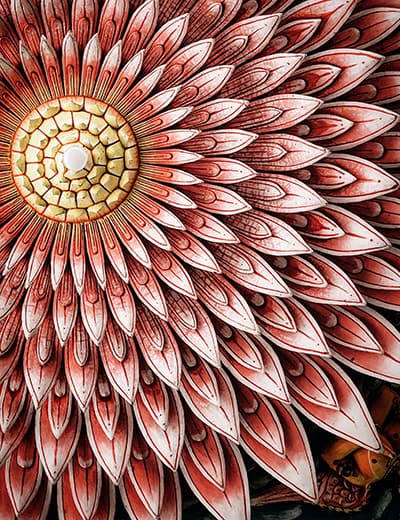
NARRATIVES
AT THE THRESHOLD OF SAINTS
North India
I stood at the gates of the mausoleum of a Sufi saint, the dargah. I wondered if I was doing everything right, if I was in the right spirit, if I was being respectful enough. I strived to contain the train of thoughts racing through my mind, but in vain. Nonetheless, I pulled out my shemagh, wrapped it around my head to blend in, and forged ahead. As I walked I had one thought which, among the multitudes, recurred – a story.
It was a little anecdote that I had come across a while ago in a book, a poetic exchange between a prominent Sufi saint and a young boy, who went on to become the saint’s most beloved disciple. The first time he visited the saint’s khanqah, the Sufis’ gathering place, he stopped at the threshold and as a test of worthiness, sent the saint a message in the form of a quatrain in Farsi, which translates to:
Thou art such a king that when a pigeon perches up
On top of thy palace, it becomes a falcon
A poor and distressed person stands on thy threshold
Is he permitted to go in or should he return
The saint retorted with:
The seeker of truth should enter
To share our secrets for a while
But if he is ignorant and a fool
He should return
The boy was humbled and entered the khanqah, thus becoming a follower. The story did not really reflect my opinions, perhaps not even my apprehensions, as I entered the resting place of one of the most revered Sufi saints in India. Khwaja Qutubuddin Bakhtiar Kaki preached there in Mehrauli, near Delhi, in the 13th century. Why then, did this story persist in my thoughts? Perhaps, because it was this narrative that gave me my first impression of what it meant to those who seek and find solace in its humble chambers – a visit to the dargah, literally 'the threshold'.
Throughout my experience, I was accompanied by a couple of friends. One belonged, by heritage, to a Sufi brotherhood and had embraced its way of life, the other, coming from England, was being exposed to such places for the very first time. Our cultural backgrounds and beliefs seemed to be of no significance as we entered the ever-welcoming premises of a dargah. We strolled into many of them in and around Delhi. We went at different times of the day, trying to understand the salience they held in the lives of those who came them seeking solace. In their serene alcoves were men sleeping or deep in prayers or conversing or listlessly waiting for the call to prayer. Introspection and deep reveries were a part of the ambience of the dargahs, apart from prayer and ritual.
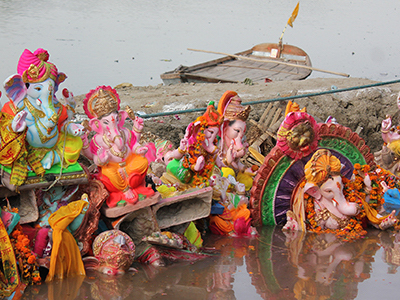
Bidding Farewell Elephant Headed God
India’s relationship with its festivals can be addictively joyous, even when it involves bidding farewell to the gods. Every year...
Narrative • North India
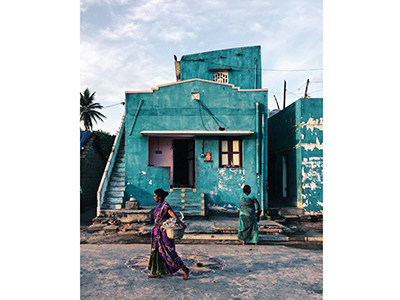
The Charm of Evanescence
Earlier this year, during the summer month of April, Elke Frotscher travelled with us and a crew of photographers to Tamil Nadu...
Narrative • South India
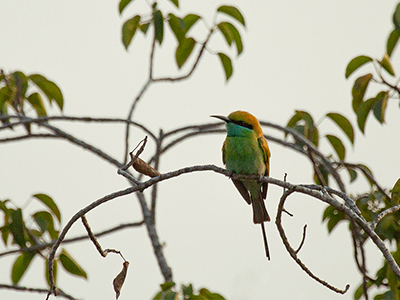
The Beckoning of the Untamed
This journey travels through the national parks and sanctuaries of North and West India, exploring indigenous wildlife species and migratory avifaunal species...
Bespoke Journey • West India
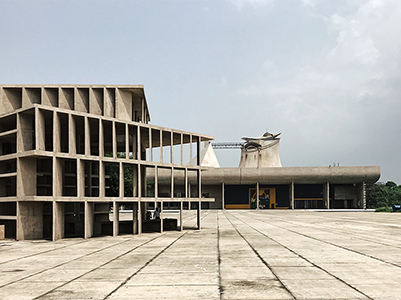
Monuments of Minimalism
This journey across the North and West explores the phenomenon of modern architecture that gripped India during the 20th century...
Bespoke Journey • North India

Barefoot
White sandy beaches separate crystal clear azure waters from lush curtains of rainforest green...
Hotel Guide • South India
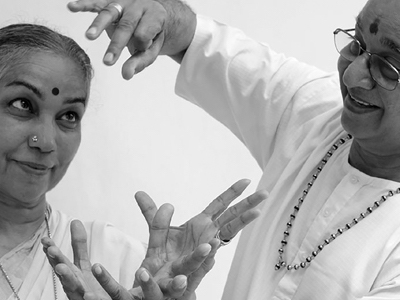
A Sublime Union
Shanta Dhananjayan and her husband Vannadil Pudiyavettil Dhananjayan, one of the most revered dance couples...